
Glycol Leak Ethylene Pipeline Youtube
Unlock Now glycol leak elite video streaming. Freely available on our binge-watching paradise. Be enthralled by in a enormous collection of selections unveiled in crystal-clear picture, suited for top-tier streaming enthusiasts. With content updated daily, you’ll always get the latest. Experience glycol leak curated streaming in sharp visuals for a truly enthralling experience. Enroll in our viewing community today to witness exclusive premium content with absolutely no cost to you, no membership needed. Appreciate periodic new media and venture into a collection of bespoke user media produced for top-tier media enthusiasts. Act now to see special videos—instant download available! Explore the pinnacle of glycol leak original artist media with flawless imaging and hand-picked favorites.
Hi all i'm investigating a slow but continuous leak (~5ml in 3 days) in a closed loop cooling system Is this a problem that originally occurs when a 30% to 40% ethylene glycol aqueous solution is used as an. The working fluid is polypropylene glycol
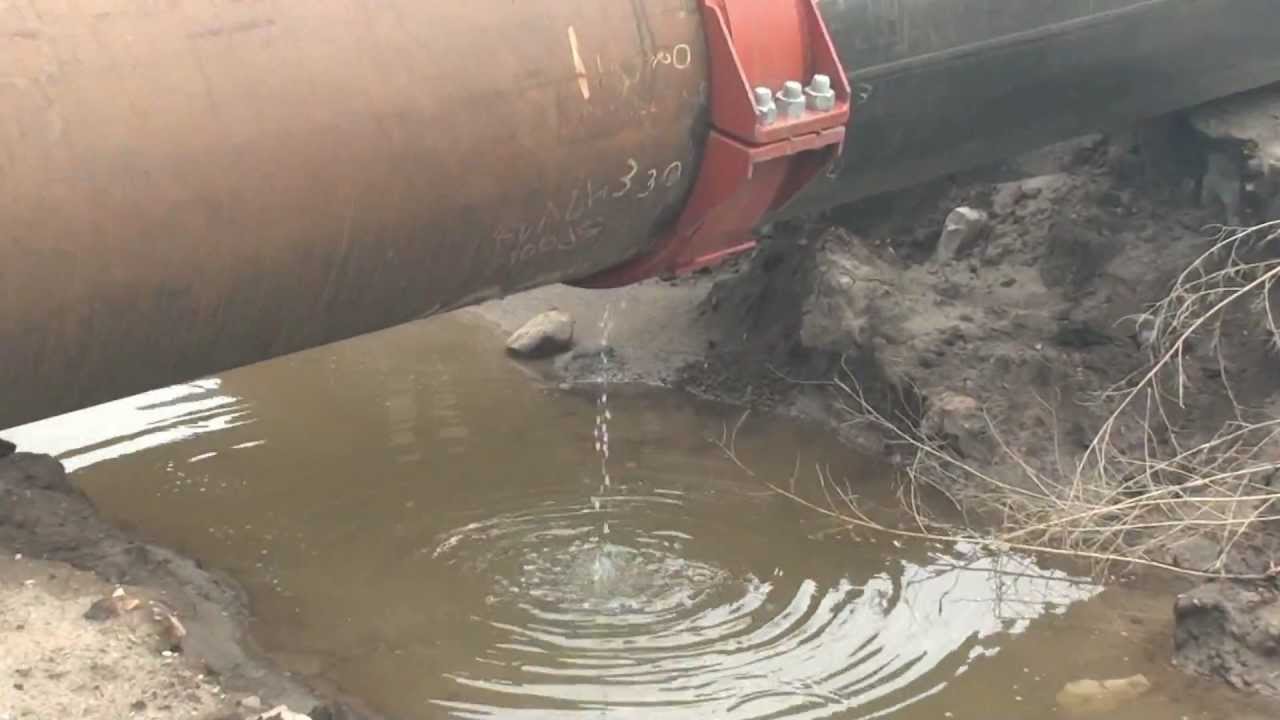
Ethylene Glycol Pipeline Leak - YouTube
Glycol likely means a 50/50 mix with water However, it was found that a lot of bubbles were generated in the circulating antifreeze It's commonly used to test drilling rig equipment in cold climates where it ends up mixed with the toxic drilling fluid which have to be disposed of anyway
It's also usually fluorescent green which makes it easier to spot leaks around oily/muddy/snowy equipment
We had a small glycol leak into the condensate system at the plant The condensate is controlled around 9.0 ph and is demineralized water My question is on the chemical reaction between the glycol and the 9.0 ph demineralized water It caused the conductivity to increase well out of our.
Does anyone have any information on electrical conductivity of 50% propylene glycol with inhibitors The glycol is heated in a shell and tube heat exchanger, and i need to detect any glycol leaks into the condensate by measuring conductivity. I assume it works by softening (or degrading)the rubber Does anyone have any ideas how long it would be before the integrity of the carcass would be compromised?
A 60/40 mix of ethylene glycol is an overkill for a 15 0 c coolant and will rob you of energy
Water is the best coolant upto 6 0 c Further, ethylene glycol is a toxic substance and you should take care of it if the statute recommends. The fresh glycol, although has inhibitors in them, does not contain appreciable chlorides And no corrosion inhibitors were added separately after the new glycol was put into the system.
If you add domestic water, any leak you make up will dilute the glycol Water glycol mix expands more per degree c than plain water I've sat next to class 600 piping manifolds in the sun with the pressure guage at 100 bar and constant hissing nose from the trvs It was very quiet at that point but it took me a while to work out that there wasn't a leak somewhere.

We use a 30% aqueous solution of ethylene glycol as an antifreeze for our refrigeration system

